Happy Summer
Play Happy Summer
Happy Summer Screenshots
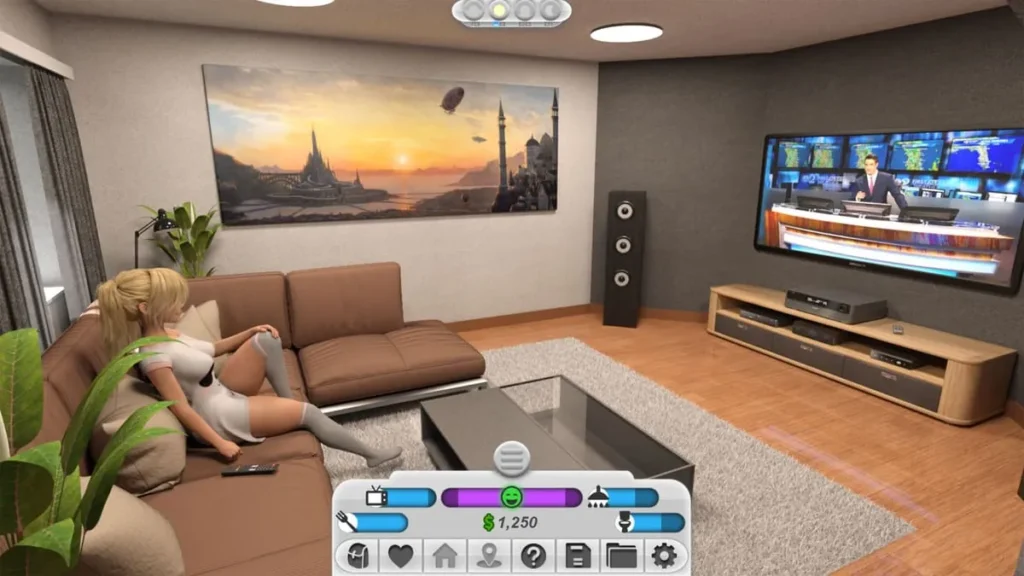
Happy Summer review
A practical, player-focused walkthrough and analysis of Happy Summer
Happy Summer is an adult-themed interactive simulation game that blends narrative choices, character progression, and event-driven exploration to create a replayable experience centered on relationships and personal stories. This guide dives into the game’s setup, core mechanics, character arcs, and practical tips to get the most from your playthrough while addressing installation, safety, and replay strategies. Whether you’re evaluating the game for the first time or looking to complete all narrative paths, this article provides candid, experience-based guidance and step-by-step advice.
Understanding Happy Summer: Story, Setting, and Characters
So, you’ve booted up Happy Summer, taken in that gorgeous title screen with its sun-drenched artwork, and now you’re standing at the edge of a virtual seaside town, controller in hand, wondering where to even begin. I totally get it. 🏖️ The game throws you into its world with a gentle nudge, but to truly make the most of your vacation, you need a map. Think of this chapter as your friendly, spoiler-free guide to the heart of the game: its story, its rhythms, and the wonderful characters who make it all worthwhile.
This isn’t just a technical manual; it’s a walkthrough of the experience itself. We’re going to break down how the game weaves its magic, so you can stop worrying about missing out and start crafting your own perfect, memorable summer. Let’s dive in!
What is Happy Summer and who are the main characters?
At its core, the Happy Summer game overview is simple: you play as a young adult (you can choose your name and some basic styling) spending an extended summer break in the picturesque, sleepy coastal town of Seabrook. There’s no overarching world-ending crisis here—your primary goal is simply to live. To reconnect with old friends, make new ones, explore every nook of the town, and maybe, just maybe, find a little romance along the way. It’s a slice-of-life simulator that runs on vibes, memories, and the quiet moments in between.
The true soul of the Happy Summer game overview, however, lies in its cast. The Happy Summer characters aren’t just quest-givers; they’re fully realized people with their own schedules, problems, and evolving stories that you can choose to be a part of—or not! Getting to know them is the real game.
Here are the five main characters you’ll be sharing your summer with:
- Leo (Age 22): The passionate, slightly chaotic aspiring chef who works at his family’s beachfront diner, “The Salty Spoon.” He’s full of big ideas and grand gestures, but sometimes struggles with the practical details. His motivation is to create a dish that will finally put Seabrook on the culinary map.
- Maya (Age 21): A thoughtful, introspective art student who has returned to her grandmother’s house for the season. She’s often found sketching by the old lighthouse or painting landscapes. Her arc is about creative block and finding new inspiration in familiar surroundings.
- Kai (Age 23): The reliable, friendly face who runs the town’s boardwalk rental shack. Surfboards, kayaks, you name it. He’s the anchor of the friend group, always organizing bonfires or beach volleyball games. His story involves the quiet pressure of deciding whether to take over the family business for good.
- Chloe (Age 20): The energetic and endlessly curious biology major who is in Seabrook for a marine research internship. She’s a bundle of enthusiasm, constantly dragging people to tide pools at dawn. Her motivation is to document a rare species of sea slug she’s convinced lives in the local bay.
- Ben (Age 24): The town’s somewhat reclusive musician and part-time librarian. He’s sardonic but soft-hearted, usually found tinkering with a melody in the music shop’s back room or reading in a secluded cove. His story revolves around overcoming stage fright to perform his original songs.
Your interactions with these five form the backbone of your summer. The Happy Summer characters design is brilliant because they all intertwine—helping Maya with her art might give you an idea for Leo’s menu, or a conversation with Ben might reveal the perfect beach spot Chloe needs for her research.
How the narrative structure and day/night cycle work
The Happy Summer story structure is beautifully organic. It’s not a linear A-to-B plot, but a web of branching storylines that activate based on three key things: your relationship levels with characters, your choices in conversation, and—most crucially—when and where you choose to be.
Think of the summer as being divided into several episodic arcs, roughly one per main character, that unfold over the weeks. You might have about 5-6 major narrative threads to follow, plus countless smaller side moments. You won’t see everything in one playthrough, and that’s the point! The story reveals itself based on who you gravitate toward.
This is where the day night cycle Happy Summer system becomes your best friend and your greatest strategic element. Seabrook lives and breathes on a predictable but rich schedule.
- Morning (6 AM – 12 PM): The world is fresh and quiet. This is prime time for solo activities or character-specific routines. Maya paints at the lighthouse. Leo is prepping ingredients at the diner. Chloe is out on the research pier. Visiting characters during their “work” hours often leads to unique, low-key conversations that build affinity in a different way.
- Afternoon (12 PM – 6 PM): The town is bustling. This is the most common time for scheduled group events, like beach trips or casual hangouts initiated by the story. Shops are fully open, and most characters have free time.
- Evening/Night (6 PM – 12 AM): The mood shifts. Social gatherings move to bonfires, the boardwalk lit by fairy lights, or quiet talks on the pier. Some characters, like Ben, become more accessible. Certain locations, like the closed diner or the empty library, take on a new significance.
The magic tip? The same location can host completely different events or conversations depending on the time of day. Always revisit places!
Let me give you a personal example that perfectly illustrates this. I was focusing on Leo’s story, and our friendship was stuck. I’d given him all the seashells and hot sauce I could find (his favorite gifts!), but I’d hit a wall. On a whim, I decided to wander past the back alley of “The Salty Spoon” very late one night, long after closing. To my surprise, the back door was slightly ajar with a soft light glowing inside. I went in and found Leo alone, frustrated over a failed recipe. This triggered a completely hidden, unmarked scene where he opened up about his fear of disappointing his family. We ended up throwing the burnt food away and making simple midnight toast together. That one visit, prompted by nothing but curiosity about the day night cycle Happy Summer creates, didn’t just boost our relationship—it unlocked a whole new, more vulnerable side of his character arc that changed how every subsequent interaction felt.
This is the power of the game’s time-based event system. The world doesn’t wait for you; it lives on, and your choice to be in the right place at the right (or wrong!) time is what writes your unique story.
Character arcs and relationship mechanics
Alright, so you know who’s who and how the clock ticks. Now, how do you actually connect with these people? The relationship mechanics Happy Summer employs are intuitive but deep, rewarding genuine attention over mindless grinding.
At the center of it all is the Affection Meter. This isn’t just a bland number you max out. It’s a multi-variable system that tracks not just how much a character likes you, but in what context. Spending time with them, choosing supportive dialogue options, and giving gifts they love are the primary drivers.
Gifts are a key part of the relationship mechanics Happy Summer players need to understand. Every character has loved, liked, and disliked items. Giving a loved gift (like a vintage vinyl for Ben) causes a significant boost, while a disliked one (giving Leo store-bought sushi… yikes) can actually set you back. Items are found by exploring—foraging in the forest, combing the beach at low tide, or even winning them at the boardwalk games.
| Character | Loved Gift (Example) | Liked Gift (Example) | Disliked Gift (Example) |
|---|---|---|---|
| Leo | Rare Spice Blend | Fresh-Caught Fish | Instant Noodles |
| Maya | High-Quality Sketchbook | Wildflowers | Cheap, Mass-Produced Art |
| Kai | Handmade Surf Wax | Cold Lemonade | Office Supplies |
| Chloe | Biologist’s Field Journal | Interesting Seashell | Plastic Toy |
| Ben | Obscure Music Album | Herbal Tea | Overly Cheery Pop Music |
The real depth, though, comes from branching decision points. Throughout character arcs, you’ll hit key moments—often presented as casual questions or reactions—that subtly shape the path. There’s no obvious “Good vs. Evil” choice. Instead, you might choose whether to encourage Maya to share her art online or keep it private, or side with Kai about modernizing the rental shack versus preserving tradition. These choices don’t just alter a single scene; they determine which version of a character’s ending you’ll see, and they influence how other characters perceive you.
And this brings us to the wonderful reward for all your effort: the unlockable scenes Happy Summer is famous for. As your affection with a character grows and you make key choices, you’ll unlock special, often poignant scenes that delve into their personal struggles and triumphs. These aren’t just cutscenes; they’re the emotional payoffs. Furthermore, completing major arcs or finding all scenes with a character adds their special artwork and music tracks to a Gallery in the main menu. This creates a fantastic incentive for replay. You’ll want to go back and see what happens if you made the other choice, or if you spent your summer with a completely different person.
So, why does understanding all these systems—the Happy Summer story structure, the clock, and the relationship mechanics—matter so much early on? Because it transforms your playthrough from a reactive sightseeing trip into an intentional, heartfelt journey. You stop chasing icons on a map and start thinking, “Hmm, it’s getting late. Ben is probably at the pier looking at the stars. I should bring that weird constellation map I found.” That’s when the magic happens. You’re not just playing a game; you’re living a summer, and every small, informed choice you make ensures it’s a summer you’ll remember—and one you’ll be eager to revisit again and again to see what you missed. 🌟
Happy Summer offers a branching, replayable interactive experience built around character-driven stories and choice-based mechanics. Understanding its day/night triggers, inventory uses, and relationship systems will help you unlock more content and experience different endings with less trial and error. Use multiple saves, verify downloads, and lean on community resources and safe mod practices to extend enjoyment. If you try the game, start with conservative save habits, test choices across playthroughs, and share your findings with other players to help build better guides.