Kingdom of Deception
Play Kingdom of Deception
Kingdom of Deception Screenshots
Kingdom of Deception review
Master gameplay mechanics, character interactions, and progression strategies
Kingdom of Deception is a choice-driven narrative experience that challenges players to navigate complex character relationships and decision-making scenarios. This guide explores the core mechanics, character dynamics, and strategic approaches that define the gameplay experience. Whether you’re starting your first playthrough or optimizing your progression strategy, understanding the game’s systems—from resource management to relationship building—is essential for unlocking all content and achieving your desired outcomes. Our comprehensive walkthrough covers everything you need to know to master this intricate game.
Understanding Kingdom of Deception Gameplay Mechanics
Welcome to the royal court, where every smile hides a dagger and every whispered promise could be a trap. 😏 If you’ve just stepped into the intricate world of Kingdom of Deception, you might feel overwhelmed. I remember my first playthrough—I thought it was just a pretty visual novel with some light management. I was so wrong. The game’s true depth lies in its interconnected systems, where your management of gold affects your friendships, and your friendships decide whether you’ll be crowned or crawling through the dungeons. This chapter is your key to understanding that depth. We’re diving deep into the core Kingdom of Deception gameplay mechanics that will transform you from a confused courtier to a master strategist.
The magic (and the challenge) of this game is that nothing exists in a vacuum. Your resource management strategy directly fuels your character relationship system, and every choice you make within those systems triggers a ripple effect through the Kingdom of Deception progression. Think of it not as managing separate menus, but as conducting a complex orchestra where every section must be in harmony. Let’s break down the symphony into its core movements.
Core Game Systems and Resource Management
At first glance, the resources in Kingdom of Deception seem straightforward. You have your shiny Crowns, your elegant Silks, your mysterious Arcane Dust. Early on, I made the classic mistake of hoarding everything “for later” or splurging on the first fancy outfit I saw. 🤑 This is a surefire path to a stagnant court and empty coffers. The game’s economy is a living, breathing engine for your ambitions.
The primary currencies are Crowns (earned from court duties, trade, and shrewd decisions), Influence (gained by completing tasks for factions and key characters), and Favor (a personal currency with individual characters, built through interactions). Then you have material resources like Silks, Spices, and Arcane Dust, which are used for crafting gifts, upgrading your estate, and unlocking special story options. Your daily actions—audiences, assignments, exploration—cost Time, the most precious and non-renewable resource of all.
My #1 Walkthrough Tip: You can’t do everything in one day or one playthrough. Embrace it. Plan your day around a single goal: “Today, I build trust with the Spymaster” or “This week, I focus on increasing my Crown income.”
Your resource management strategy must be proactive, not reactive. Always ask: “What is my next major story or relationship milestone, and what resources does it require?” Need to impress the Merchant Guild for a loan? Start stockpiling Silks and Spices weeks in advance. Aiming to unlock a character’s secret quest? Their preferred gifts might require rare Arcane Dust, so plan your exploration accordingly. This forward-thinking is the bedrock of smooth Kingdom of Deception progression.
Here’s a breakdown to keep by your throne:
| Resource Type | Primary Acquisition Methods | Optimal Spending Strategy |
|---|---|---|
| Crowns 💰 | Completing Council tasks, successful trade deals, taxing estates (mid-game), uncovering secrets for blackmail. | Invest in income-generating upgrades first (e.g., trade office). Use sparingly for bribes and essential gifts. Never spend your last Crown. |
| Influence 👑 | Faction missions, major story decisions that align with a group’s goals, public ceremonies. | Spend to unlock critical faction support or access restricted areas. It’s a gateway resource, not an end goal. |
| Favor (by character) 💖 | Successful dialogue choices, giving loved gifts, completing personal quests, supporting them in conflicts. | Focus on 2-3 key characters per playthrough. “Spend” Favor by calling in help during crises or unlocking their unique story branches. |
| Time (Action Points) ⏳ | Automatically refreshes each new day. Limited per day. | Always pair actions: “Visit the Market” (costs 1 Time) to both buy Spices (resource goal) and run into the Chancellor (relationship goal). |
Early-Game Progression Checklist:
1. Day 1-3: Explore the core areas (Great Hall, Gardens, Market). Talk to everyone once to unlock their relationship logs.
2. Priority Task: Complete a simple Council task to earn your first Crowns and see how the task system works.
3. First Investment: Use initial Crowns to upgrade your personal quarters for a slight daily Influence boost.
4. Choose an Anchor: Pick one character who seems aligned with your early goals and give them one gift (observe their reaction!).
5. Do NOT: Take sides in any court arguments in your first week. Gather information first.
Character Interaction and Relationship Mechanics
This is where Kingdom of Deception truly shines. Every character is a locked chest of stories, alliances, and unique rewards, and how to build character trust is the intricate key. It’s not just about mashing through dialogue. I once spent an entire in-game week showering the stoic Captain of the Guard with expensive weapons, only for him to confront me about trying to buy his loyalty. I had ignored his core value: Integrity. Oops. 😅
The character relationship system is built on several layers. The most visible is the Affinity Meter, a numerical score that increases or decreases. But beneath that are hidden Trust Thresholds. Reaching 30 Trust might make them share gossip. Reaching 70 could unlock a personal quest. Reach 90, and they may become a steadfast ally or even a romantic partner. Your actions are constantly evaluated against a character’s personality traits (Ambitious, Loyal, Cynical, Patriotic) and secret desires.
Dialogue choices are the primary tool. You’ll often have options that are Diplomatic, Cunning, Honest, or Aggressive. A Cynical character might appreciate a Cunning remark, while a Loyal one values Honesty. The gift system is your strategic supplement. Every character has loved, liked, and disliked gifts. Giving a loved gift (found through dialogue hints or their personal quest) grants a huge trust boost and sometimes a unique item. Giving a disliked one can set you back days.
Personal Insight: Don’t spread yourself too thin. In my most successful playthrough, I fully dedicated myself to the networks of the Spymaster and the Head Archivist. Their combined information network made every other decision in the game easier, because I was never in the dark.
Remember, characters talk to each other. Publicly siding with the Queen against the Lord Treasurer will please her but may lock you out of his financial schemes. The game’s social web is dynamic. How to build character trust is therefore a balancing act of private assurances and public posturing. Unlocking a character’s full story arc is one of the most rewarding parts of the Kingdom of Deception progression, often granting you powerful boons, unique story paths, and crucial warnings about upcoming plots.
Decision-Making and Consequence Systems
Every choice matters. This isn’t a hollow promise in Kingdom of Deception. The game features a branching narrative where decisions, big and small, close some doors while violently kicking open others. My first major lesson in this decision consequences guide came when I exposed a minor noble’s embezzlement early on for a quick Influence boost. I felt clever… until Act III, when I needed that noble’s fleet to defend the coast, and he left me to the pirates. The consequences are delayed, interconnected, and beautifully brutal.
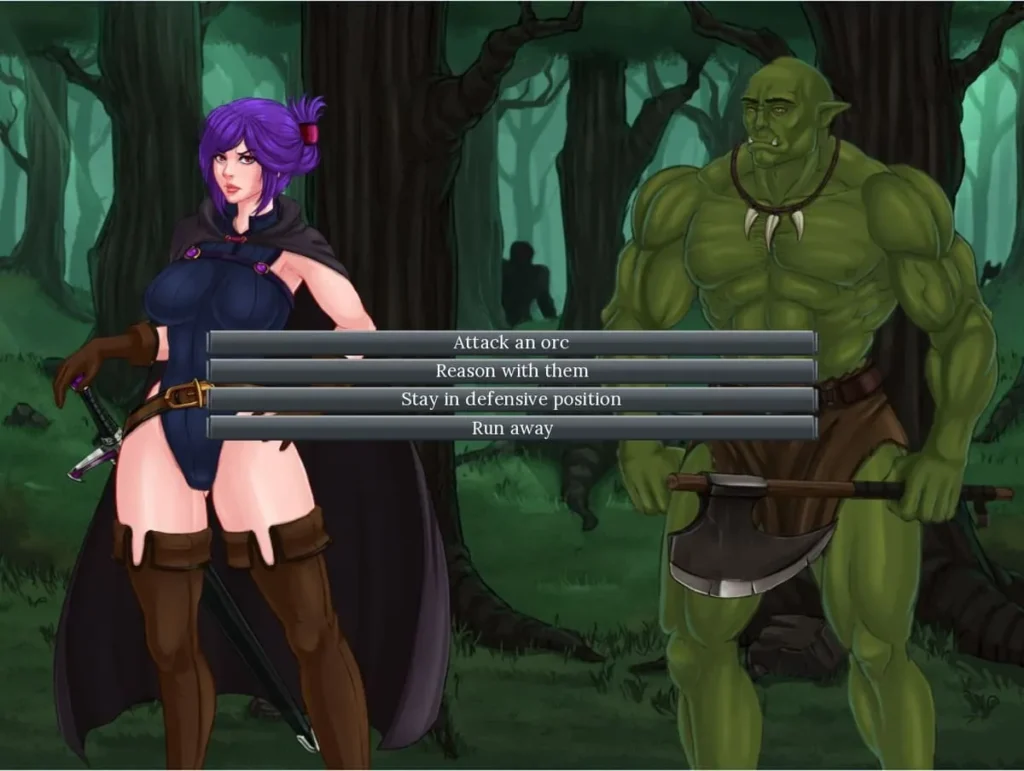
Decisions are categorized. Local choices affect immediate trust with characters in the scene. Strategic choices impact faction standing and resource flow. Narrative-defining choices are the big, often irreversible forks in the road that can change who lives, who reigns, and what ending you see. The game does an excellent job of making you feel the weight of these, often presenting you with two morally gray or strategically complex options.
The consequences manifest in several ways:
* Character Availability: Certain paths may make a character leave the court, refuse to speak to you, or become an enemy.
* Altered Story Progression: An entire story arc for a faction might be skipped or become hostile.
* Resource Gates: Decisions can open up new income streams or dry existing ones up completely.
* Unlocked/Locked Content: Special locations, items, and questlines are gated behind specific decision trees.
Actionable Advice: Save before every major audience or council meeting. Don’t save-scum to be “perfect,” but use it as a learning tool. See where a choice leads, then reload and appreciate the complexity of the web. It’s the best way to internalize this decision consequences guide.
For example, an early-game decision might be how to handle a captured spy. You can:
* Execute them publicly (Aggressive): Gains massive Influence with the military faction, terrifies other spies, but makes the intrigue-focused characters see you as a blunt instrument.
* Turn them into a double agent (Cunning): Costs Crowns and requires a high trust with the Spymaster, but gives you a long-term source of intelligence.
* Pardon them (Diplomatic): Gains favor with a pacifist religious faction, but makes you look weak in the eyes of others.
Each path tangibly alters the tools at your disposal for the next crisis. This system is what makes replayability endless and your Kingdom of Deception progression feel uniquely yours.
Mastering Kingdom of Deception is about seeing the connections. Your resource management strategy funds the gifts and bribes for the character relationship system. The intelligence from those relationships informs your decision-making, and the consequences of those decisions dictate your available resources and allies for the next challenge. It’s a glorious, stressful, and deeply satisfying loop.
Start with a plan, but be ready to adapt. Focus your energy, listen closely to the court’s whispers, and never underestimate the long-term cost of a short-term gain. Internalize these Kingdom of Deception gameplay mechanics, and you won’t just survive the court—you’ll learn to orchestrate its every move. Now, go forth and weave your own web of deception. The kingdom awaits its new master. ♟️👑
Kingdom of Deception offers a rich, choice-driven experience where understanding the game’s mechanics and character systems directly impacts your success and enjoyment. By mastering resource management, strategic dialogue choices, and relationship-building techniques, you’ll unlock the full depth of what the game has to offer. The interconnected nature of your decisions means that each playthrough can unfold differently based on your approach. Whether you’re aiming to complete all character storylines, optimize your resource efficiency, or simply experience the narrative in new ways, the strategies outlined in this guide provide a foundation for meaningful progression. Take time to experiment with different dialogue paths, explore various character interactions, and discover how your choices shape the world around you. The most rewarding aspect of Kingdom of Deception lies in discovering the consequences of your decisions and experiencing the unique stories that emerge from your personal gameplay journey.