Second Chance
Play Second Chance
Second Chance Screenshots


Second Chance review
Gameplay, choices, and personal impressions of Second Chance
Second Chance is a choice-driven visual game that blends relationship-building, branching story paths, and adult themes into a single experience. If you’ve seen the name pop up on forums or game platforms and wondered what makes Second Chance so talked about, this guide walks you through the core gameplay loop, story structure, and progression systems in a straightforward way. I’ll mix in real playthrough impressions, practical tips on how to approach your first run, and some hard-earned lessons from making the “wrong” choices so you can decide if Second Chance fits your tastes and playstyle.
What Is Second Chance and How Does It Play?
So, you’ve heard the name Second Chance floating around and you’re wondering what all the fuss is about. 🤔 Is it just another story game, or is there something more to it? Let me pull up a chair and give you the real scoop. Having spent hours navigating its twists and turns, I can tell you that Second Chance is a deeply engaging experience, but it’s not for everyone. This chapter is your straightforward guide to what it is, how it plays, and who it’s really meant for.
At its heart, the Second Chance game is a narrative journey. You step into the shoes of a protagonist who, through a mysterious twist of fate, is granted a literal second chance to reshape their life. Think of it as a “what if” generator for your personal story. The setting is grounded in modern life—think familiar apartments, local cafes, and the daily grind—but the emotional stakes feel epic. The Second Chance story weaves together threads of romance, personal drama, and moments of genuine humor, all driven by your decisions.
This isn’t a game of quick reflexes or complex puzzles. The Second Chance gameplay unfolds through chapters or days, with each section presenting you with key moments of choice. You’ll spend your time in conversations, building relationships, and making decisions that feel small in the moment but echo into the future. It’s a slow, character-driven burn where the payoff is emotional, not mechanical.
Core concept and story setup in Second Chance
The premise of Second Chance is its biggest hook. Imagine getting to rewind a pivotal moment in your young adult life—a failed relationship, a missed opportunity, a personal regret—and being handed the keys to try again. 🗝️ That’s the powerful “what if” question this game explores. You aren’t a superhero; you’re a relatable person navigating career choices, friendships, and romantic connections.
The emotional tone is a blend of heartfelt drama, budding romance, and welcome levity. One moment you might be having a tense, quiet conversation with a character you’ve hurt, and the next, you’re sharing an awkward, funny moment with a friend at a diner. This balance keeps the Second Chance story from feeling overly heavy, making the world and its inhabitants feel real and layered.
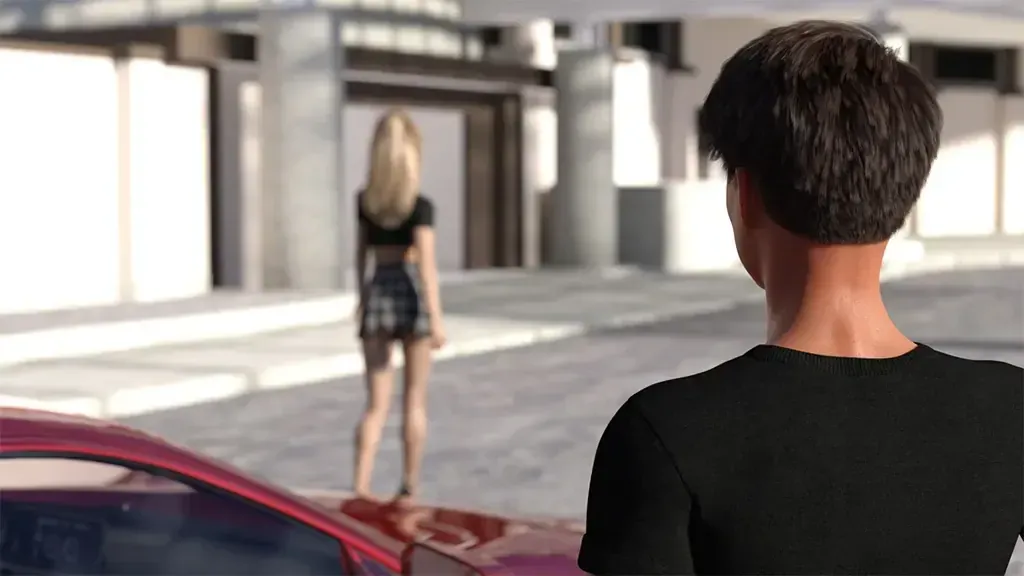
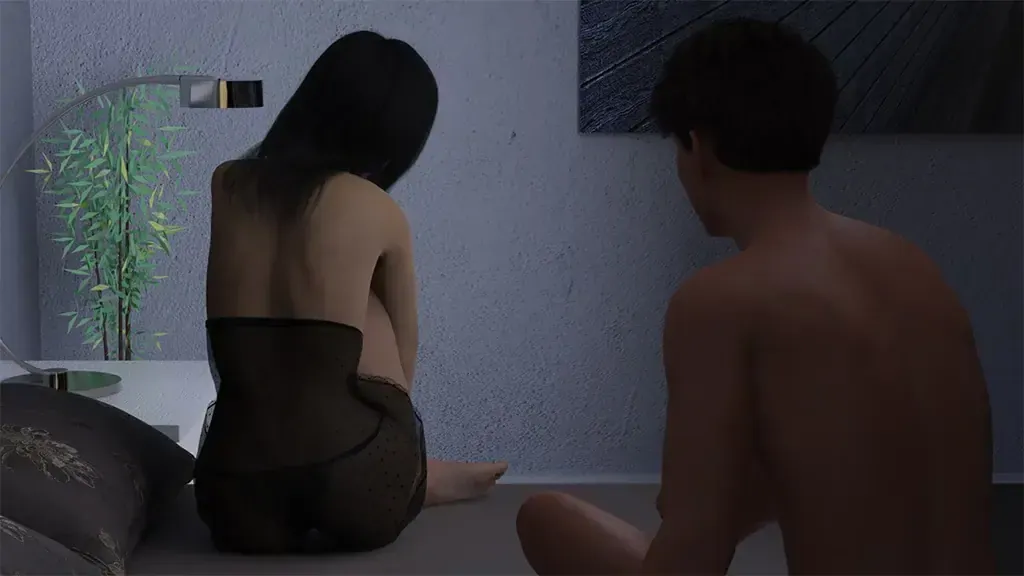
The structure is episodic. The game might divide your journey into “Day 1,” “Day 2,” and so on, with each day containing several scenes and critical decision points. This creates a natural rhythm, like reading a few chapters of a good book each session. The focus is entirely on interaction and narrative progression. You’ll click through beautifully rendered scenes and character portraits, absorbing the story and, most importantly, shaping it with your choices.
How choices and branching paths shape your experience
This is where Second Chance truly comes alive. The game isn’t just telling you a story; it’s asking you to write it. The Second Chance branching paths system is intricate and often delightfully subtle. It goes far beyond simple “good” or “bad” endings.
Here’s how it works: every dialogue choice and action builds invisible “affection” or relationship values with the various characters. 😊 Some choices are obvious—like choosing who to spend your evening with—but others are deceptively simple. A throwaway comment in an early chapter can quietly lock you out of a deep connection later on, or open a door you didn’t even know existed.
Let me give you an example from my own playthrough. Early on, I ran into two friends, Alex and Sam, at a coffee shop. The conversation was light. Alex made a self-deprecating joke about their cooking skills. I had two response options: a gentle tease (“I’ve survived your pasta, so there’s hope!”) or a more encouraging reply (“Everyone starts somewhere!”). Thinking nothing of it, I chose the gentle tease. It got a laugh, the scene moved on. Fast forward two in-game days, when I had the option to invite someone over for a home-cooked meal. Sam was available, but Alex was mysteriously “busy.” That early, harmless tease had apparently bruised Alex’s confidence just enough to change the course of our relationship. A completely different story branch began with Sam, all because of one casual remark!
My Tip: Play authentically on your first run. Don’t try to “game” the system. The magic of Second Chance is living with your decisions and seeing where they lead.
This is what makes the Second Chance visual novel format so compelling. The consequences are organic and often delayed, mimicking real life. You’re constantly wondering, “Did that matter?” And the answer is usually yes. This design fuels incredible replay value. After my first ending, I immediately started again, determined to see Alex’s story. It felt like a completely different game, with new scenes, heartfelt moments, and a unique ending I had to work for.
People are drawn to Second Chance for a few key reasons:
* The Story Focus: It’s a compelling, character-driven drama where the plot is personalized by you.
* The Weight of Choices: Decisions feel meaningful and have tangible, sometimes unexpected, consequences.
* The Replay Value: Discovering all the different routes and endings is a journey in itself.
Who is Second Chance really for?
Let’s get honest about the audience. The Second Chance game is built for a mature player. It deals with adult themes—complex relationships, personal failure, ambition, and intimacy. While this chapter (and my guide) won’t delve into graphic detail, it’s important to know the narrative doesn’t shy away from the stronger, more complicated sides of life and connection.
So, who is Second Chance for in a nutshell? 🎯
- The Story Lover: If you prioritize narrative over mechanics and love getting lost in a character’s world, this is for you.
- The Curious Explorer: If you enjoy replaying games to see every possible outcome and uncover hidden scenes, you’ll be in heaven.
- The Patient Player: The Second Chance gameplay is a slow burn. It’s about anticipation, buildup, and emotional payoff, not instant action.
On the flip side, you might bounce off Second Chance if:
* You crave fast-paced action, competition, or skill-based challenges.
* You prefer games with clear objectives and constant guidance. Here, your objective is simply to live your second chance.
* You’re not interested in narratives centered heavily on interpersonal relationships and internal drama.
From my personal experience, is Second Chance worth playing? Absolutely—if you’re in its target audience. It offers a thoughtful, immersive, and highly reactive narrative experience that few games match. It asks you to invest emotionally and rewards you with a story that feels uniquely yours. If the idea of guiding a life through its pivotal moments sounds appealing, then this game will likely resonate with you deeply.
A Quick Second Chance FAQ
Is Second Chance more about story or game mechanics?
It is almost entirely story-driven. The mechanics exist solely to serve the narrative and your choices. Think of it as an interactive story first and a “game” second.
Do choices really matter in Second Chance, or is it an illusion?
The choices are the entire point. They are not illusions. They determine which characters you grow close to, which scenes you unlock, and which of the multiple endings you will achieve. The branching is significant and rewarding.
How long is the game, and is there replay value?
A single playthrough can take several hours, but the true length comes from replaying to explore different branching paths. With multiple main character routes and endings, the replay value is very high.
Second Chance combines a character-focused narrative with meaningful player choice, making it an appealing option if you like story-first games where your decisions genuinely reshape each run. By understanding how its routes branch, how relationships evolve, and what kind of pacing to expect, you can go into your first playthrough with clearer expectations and a plan for the kind of experience you want. If you’re curious, the best way to judge Second Chance is to start a single route, lean into your instincts with each decision, and see where that second opportunity leads your character. Once you hit an ending, you can always circle back, try different paths, and discover how many ways a second chance can play out.