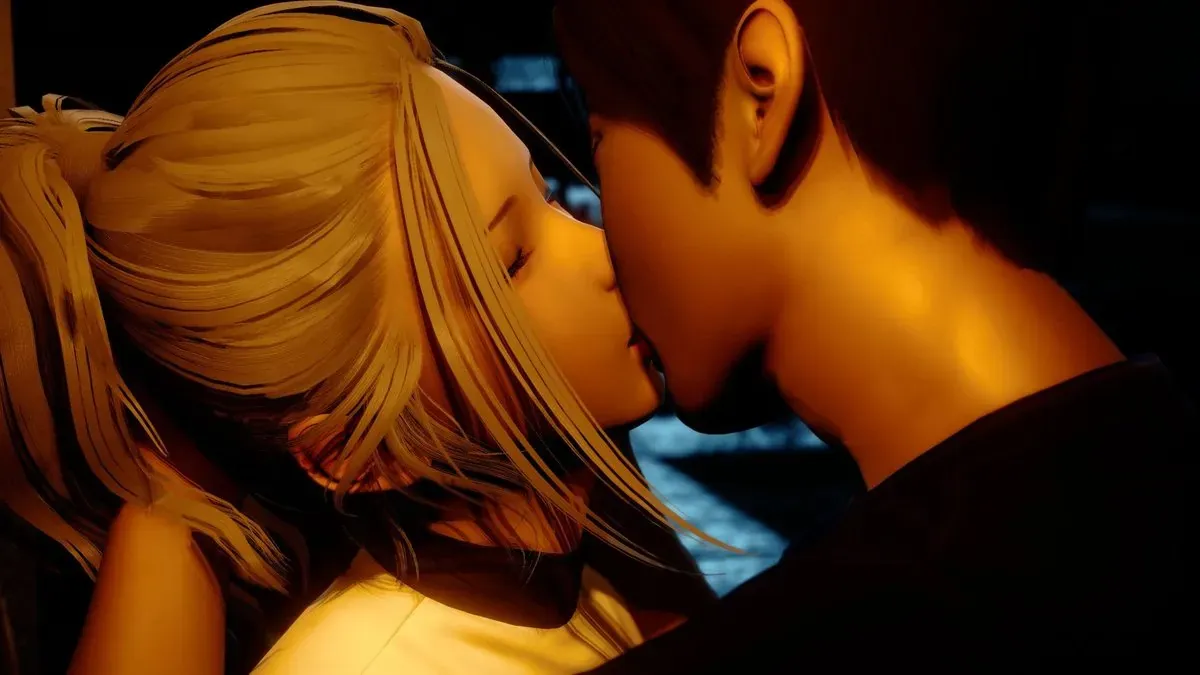
Star Periphery
Play Star Periphery
Star Periphery Screenshots
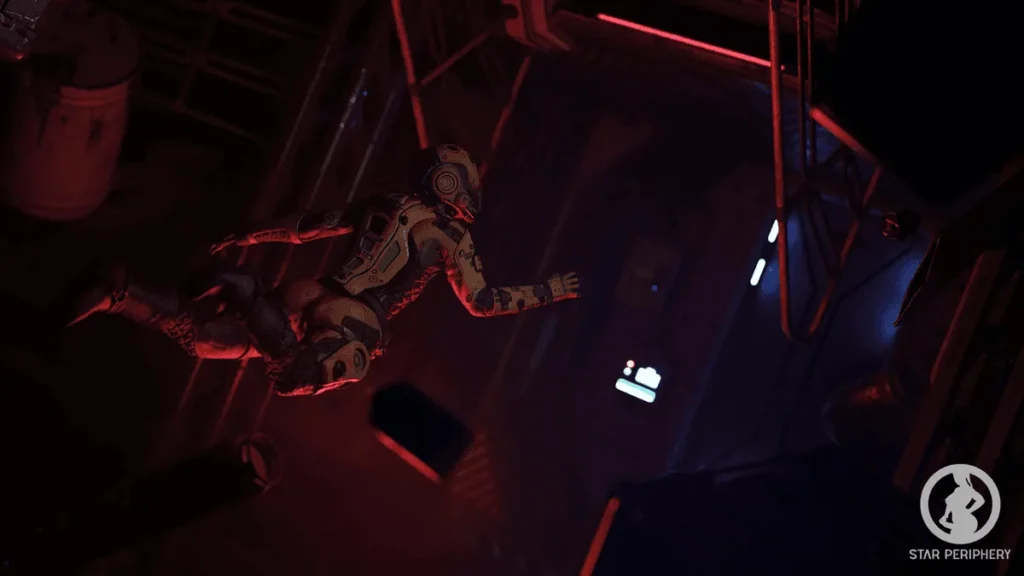

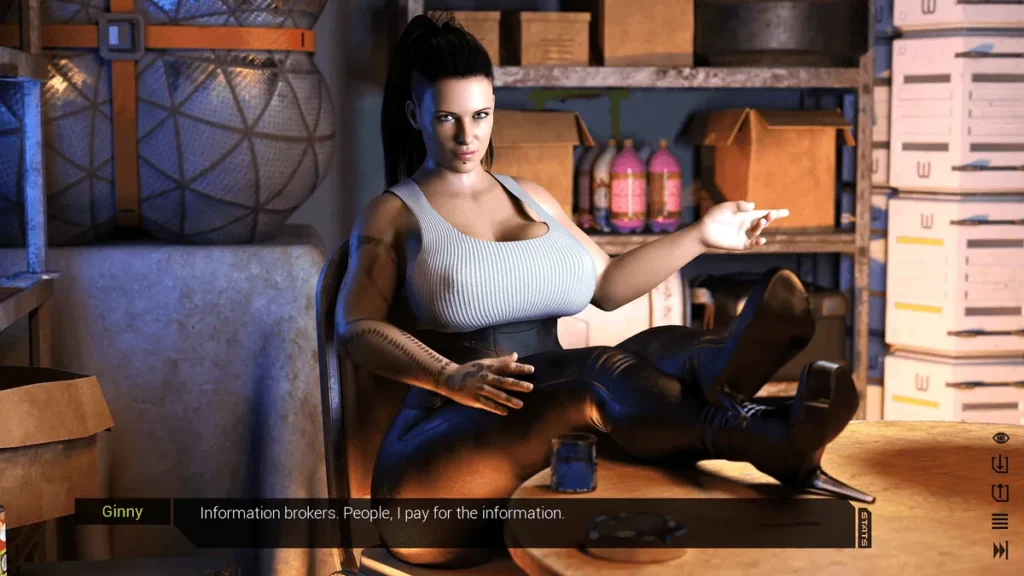

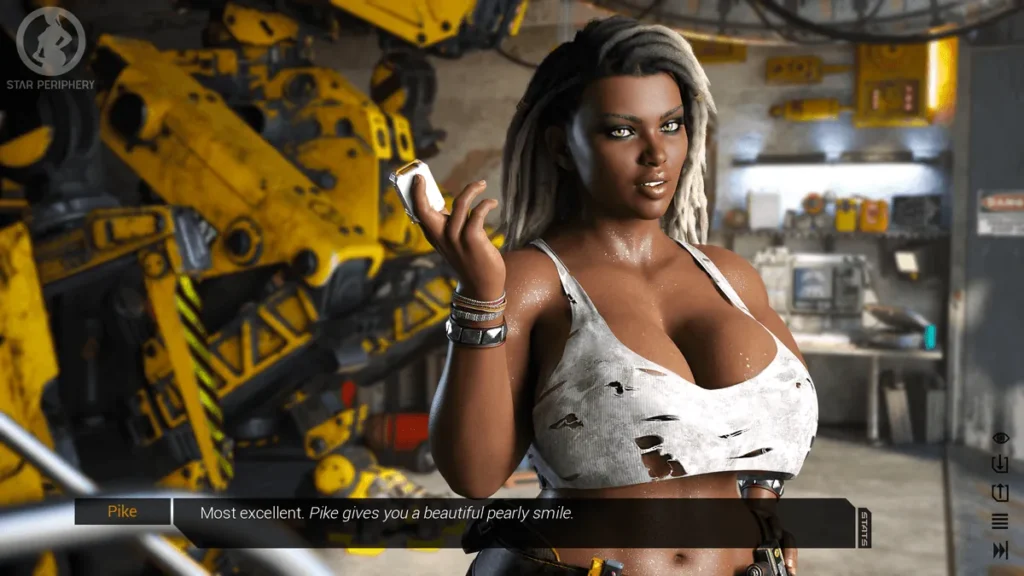




Star Periphery review
Explore Immersive Adventures in Retro Sci-Fi with Bold Themes
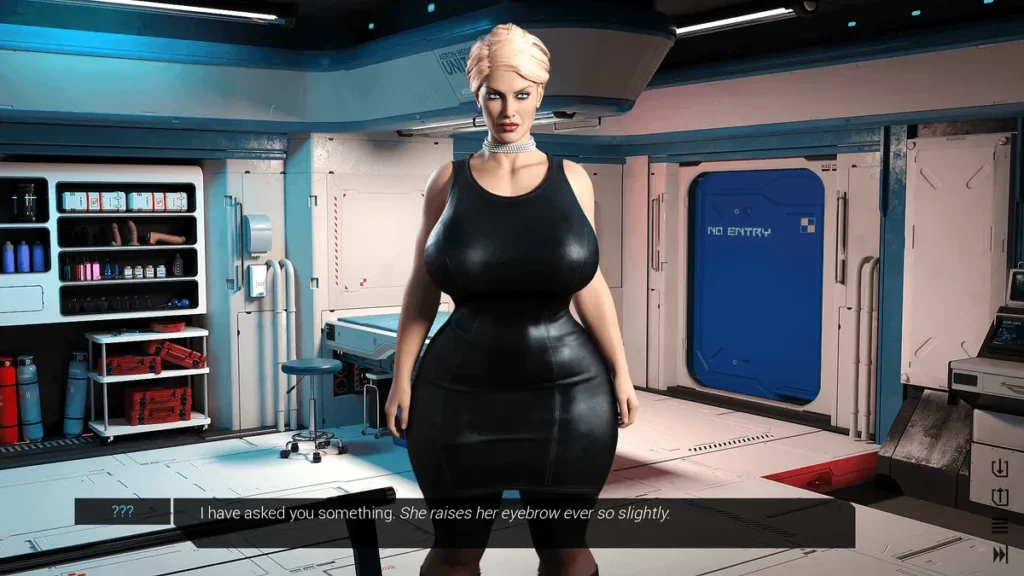
Dive into Star Periphery, the captivating retro sci-fi adventure game that’s redefining immersive adult gaming. Developed by VoidPilgrim, this title blends linear storylines with player-driven exploration in a universe packed with futadom and femdom encounters. Picture yourself as the main character, navigating space stations and forging intense relationships with dominant figures—each choice unlocking perks and steamy scenes. I first stumbled upon it during a late-night gaming binge, and its atmospheric depth hooked me instantly. Whether you’re into harsh dominance or tender romance, Star Periphery delivers without grindy mechanics. Ready to chart your own erotic odyssey?
What Makes Star Periphery an Immersive Must-Play?
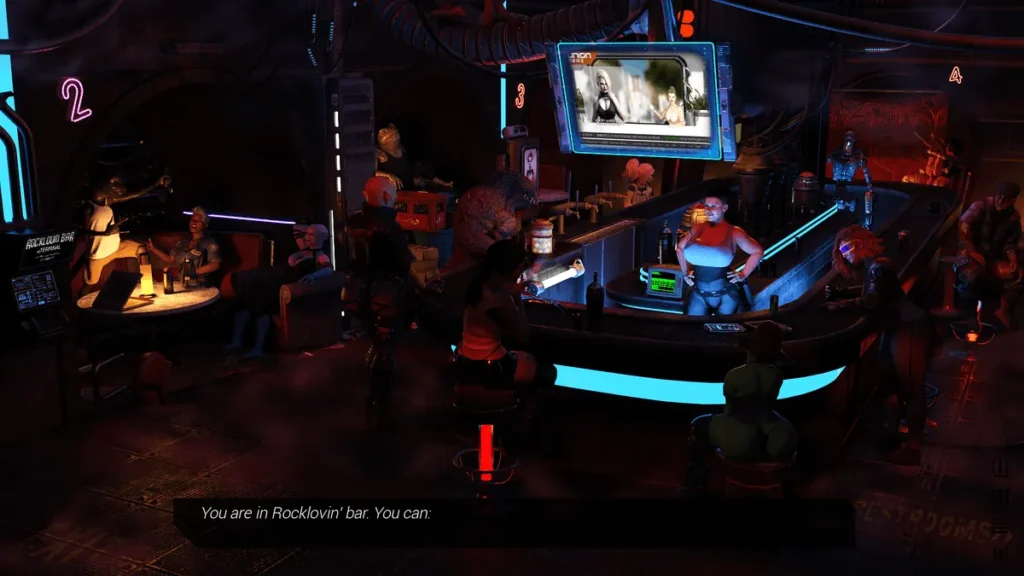
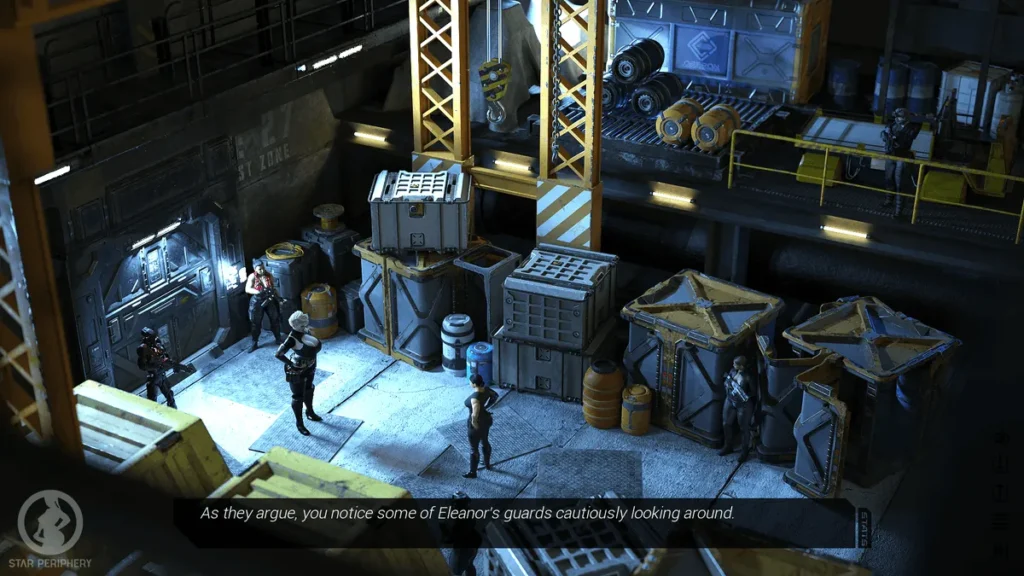
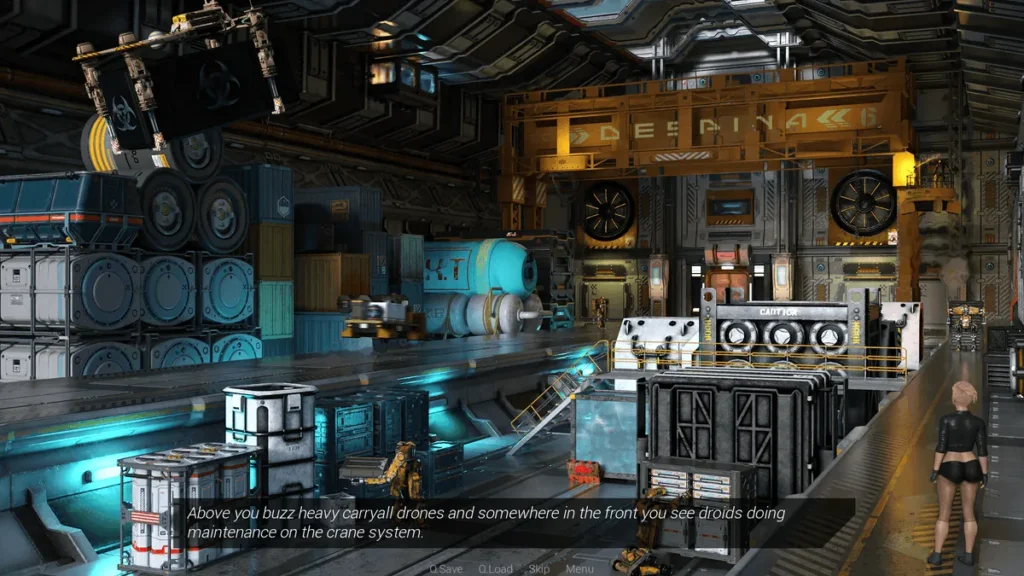
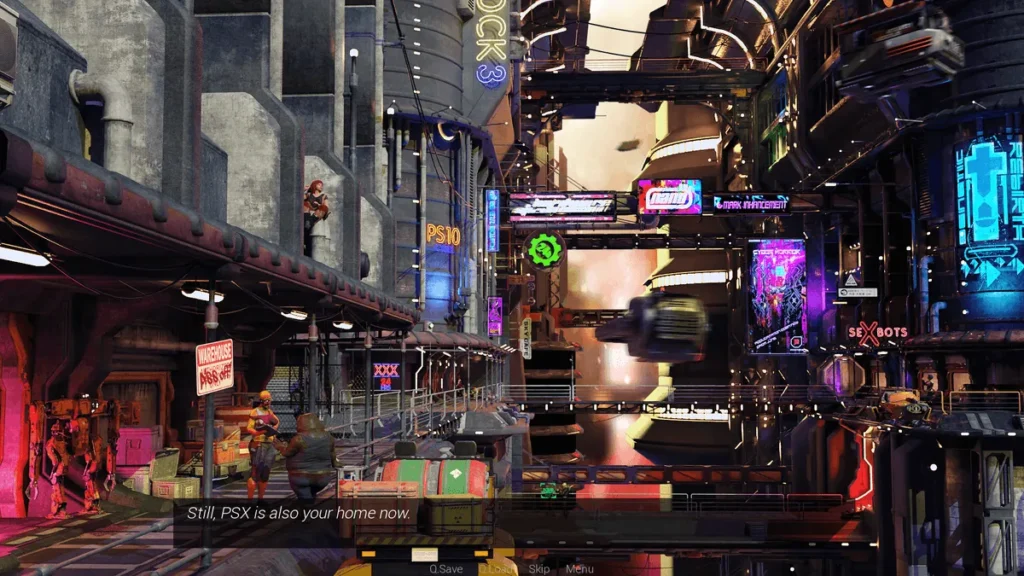
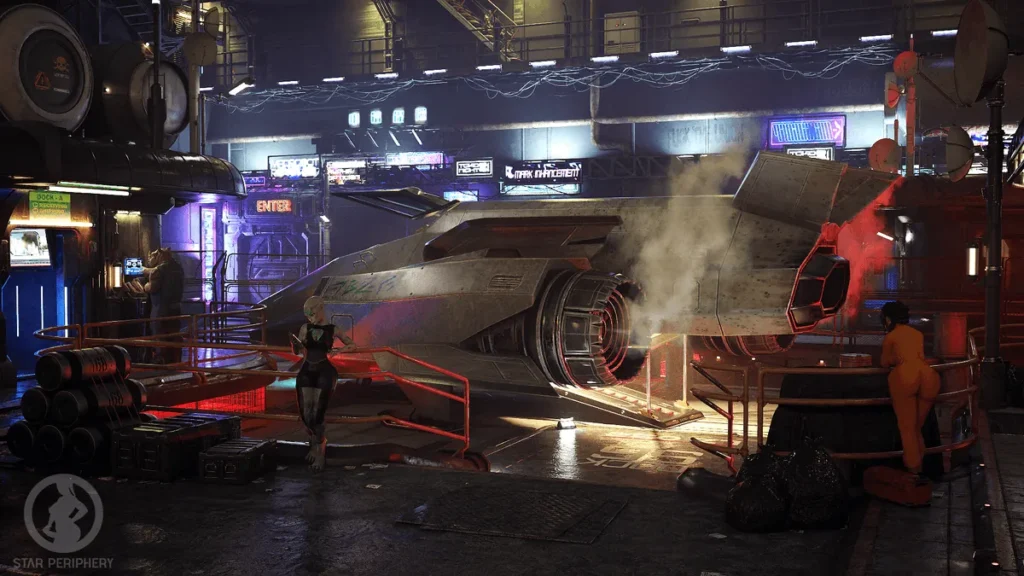
I remember the exact moment Star Periphery clicked for me. I was scrolling, looking for something with more substance than the usual fare—a game where the setting felt lived-in and the stakes mattered. The screenshots hit me with a wave of nostalgia: chunky, neon-lit terminals; ships that looked like they’d seen a thousand jumps; and a aesthetic that screamed classic space opera. It wasn’t just another sci-fi backdrop. This was a full-throated retro sci-fi adventure that promised stories with bold, adult themes woven right into the fabric of its world, not just tacked on. I was hooked before I even loaded my first save.
So, what is it about this game that makes it so uniquely absorbing? Why does it feel less like playing a game and more like stepping through an airlock into another life? Let’s break down the magic.
How Does the Retro Sci-Fi Setting Draw You In?
From the jump, Star Periphery doesn’t just show you its world—it makes you breathe its air. This isn’t a generic, sterile starship. Every location is a character in its own right, pulsing with a distinct vibe and history. You might be navigating the grimy, rain-slicked docks of Port Gammon, where every shadow feels like it holds a deal or a danger, or you could find yourself in the clinically oppressive halls of a corporate research outpost, where the silence is more threatening than any alarm.
This commitment to Star Periphery gameplay immersion is absolute. The storylines are largely linear within these visitable hubs, but each hub is tied to a specific theme and set of characters. You’re not just checking off quests on a galactic map; you’re becoming a part of that port’s underworld, or unraveling that station’s dark secret. The adult content isn’t a separate menu option—it’s an organic outcome of the relationships and conflicts you navigate in these places. The world feels cohesive because every element, from the dialogue to the environmental details, serves the atmosphere of that specific locale.
Here’s a comparison that shows how this approach differs:
| Feature | Typical Adult Game | Star Periphery’s Approach |
|---|---|---|
| World Building | Often a generic backdrop for encounters. | **Location-based storytelling**; each area has its own mood, rules, and narrative arc. |
| Content Integration | Scenes frequently feel isolated from the main plot. | Themes and encounters are woven directly into the location’s story, making them feel earned and meaningful. |
| Progression Systems | Often rely on repetitive grinding for currency or points. | Features a **no grind Star Periphery** philosophy where perks unlock naturally through story engagement. |
The genius is in the limitations, too. The game uses a form of “practical physics” that adds a layer of surprising realism. I learned this the hard way on my first playthrough. I met a certain formidable character and, thinking I could rush the narrative, immediately pursued a more intimate path. The game didn’t just say “no.” Instead, it presented a new, unexpected branch: a series of playful but challenging “training” scenes focused on flexibility and gradual progress. It was funny, it was spicy, and it made the eventual payoff feel like a real achievement. This attention to believable cause-and-effect is a huge part of what makes this an immersive adult game.
Unlocking Perks: No Grind, Just Pure Progression
Now, let’s talk about one of the most brilliant systems in the game: the perk system Star Periphery uses. Forget skill trees you mindlessly fill out with XP gained from repeating the same action a hundred times. This system is elegant, intuitive, and deeply tied to your actual experiences in the world.
Perks in Star Periphery are reflections of your practical (and sometimes intimate) journey. They don’t just make your character statistically stronger; they unlock new dialogue options, new ways to resolve encounters, and access to unique scenes. And the best part? You earn them by doing things that make sense. Successfully negotiate a tense standoff in the bar? You might unlock a perk that gives you cooler heads in future diplomatic talks. Spend time helping a character with their personal project? That could lead to a perk that deepens your connection with them, opening up new narrative paths.
This is the core of the no grind Star Periphery promise. Your progression is your story. You’re not farming credits or kills; you’re living in the universe, and the game rewards your engagement naturally. One of my favorite moments was when I unlocked the “Linguistic Flexibility” perk after spending several in-game days helping a trader decipher old alien data-slates. Later, on a totally different station, that perk allowed me to understand a crucial piece of overheard conversation, completely changing my approach to a mission. The perk system made that moment feel uniquely mine.
Star Periphery Immersion Tip #1: Don’t rush to “collect” perks. Engage with the story and characters that interest you. The perks will follow as a natural record of your personal adventure, making your build feel truly organic.
Why Player Choices Shape Every Encounter
This is where Star Periphery gameplay truly shines as a player choices sci-fi game. Your decisions carry tangible, often immediate, weight. We’re not talking about a simple “good/evil” meter at the end of a mission. Choices reshape relationships, open or close entire locations, and determine which versions of events you will witness.
There is no “perfect” playthrough. There are only your playthroughs. Early on, you might have to choose between backing a powerful corporation or a struggling local union on a mining asteroid. This isn’t a binary morality choice; both sides have compelling arguments and deeply flawed individuals. Choosing one will make you a hero to some and a villain to others, locking you out of certain storylines while catapulting you into new ones. The character you thought was a friend might become a rival, and a minor NPC you helped might later become a crucial ally.
This makes replayability incredibly high. On a second run, trying a different choice at a key juncture can make the game feel 30% new, introducing you to characters and locations you never saw before. The perk system Star Periphery employs further personalizes this, as different choices will naturally lead you to unlock different sets of perks, effectively creating a new “build” based on your roleplay.
My first playthrough was as a charming opportunist, talking my way into and out of trouble. My second was as a more reserved, physically capable enforcer. The perks I earned, the scenes I accessed, and even the way certain characters spoke to me were dramatically different. It felt like exploring two distinct corners of the same rich, vibrant universe.
Star Periphery Immersion Tip #2: To maintain narrative flow and avoid content that doesn’t suit your character’s story, focus on deep interactions with a few key characters or factions first. The game respects focused roleplay, and this approach often leads to more coherent and satisfying story arcs.
Star Periphery is the ultimate package for players who crave atmosphere, consequence, and a world that feels stubbornly real. It proves that an immersive adult game can have incredible depth, where every neon sign, every perk earned, and every difficult choice works in concert to pull you deeper into its unforgettable retro sci-fi tapestry. It’s a must-play not despite its bold themes, but because of how masterfully it integrates them into a compelling, choice-driven adventure.
Your First Jump into the Periphery: Quick FAQ
Q: I’m new. How do I start without getting overwhelmed?
A: The best Star Periphery immersion tip is to pick one starting location and dive deep into its story. Talk to everyone, explore all the dialogue options for characters that intrigue you, and let the narrative guide you. The perks and opportunities will unfold naturally from your curiosity.
Q: How exactly do the perks work? Do I have to manage them actively?
A: The perk system Star Periphery uses is passive and automatic. You unlock perks by achieving specific milestones in conversations, completing character-specific story beats, or succeeding in unique scenarios. You don’t “spend points” on them. Once unlocked, they are always active, subtly opening up new possibilities in the world.
Q: Is there a way to avoid content I’m not interested in?
A: Absolutely. Star Periphery gameplay is heavily driven by your choices and who you choose to engage with. If you want to focus on the sci-fi mystery or the political intrigue of a certain faction, you can simply not pursue romantic or intimate paths with characters. The game won’t force those scenes on you; they are almost always the result of active player choice and narrative progression.
Q: What makes the replay value so high?
A: The player choices sci-fi game design means early decisions can lead to vastly different mid-game and end-game content. Different factions, locations, and character arcs become available or locked based on your path. Combined with a new set of perks each time, a second playthrough can feel like a completely new retro sci-fi adventure.
In Star Periphery, you’ve got a retro sci-fi gem that masterfully weaves futadom, femdom, and genuine immersion into every corner of its universe. From perk-driven progression to character-tied locations that respect your preferences, it stands out by prioritizing story and choice over mindless repetition. My own journeys through its stations—romancing dominant figures and unlocking those pivotal training moments—left me craving more updates. If you’re ready for an adventure where your decisions heat up the galaxy, grab the latest version today and start exploring. Your next favorite escape awaits—what path will you take?