Tales of Unity
Play Tales of Unity
Tales of Unity Screenshots
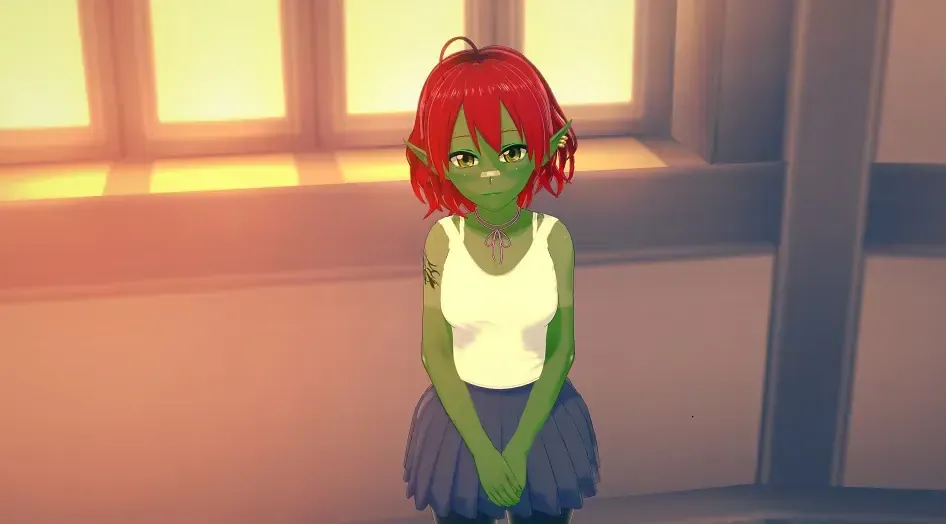
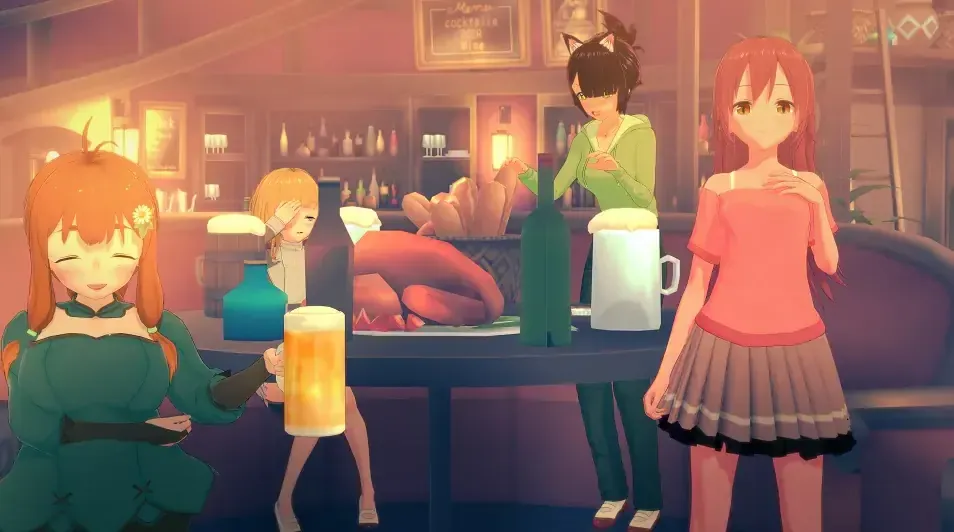
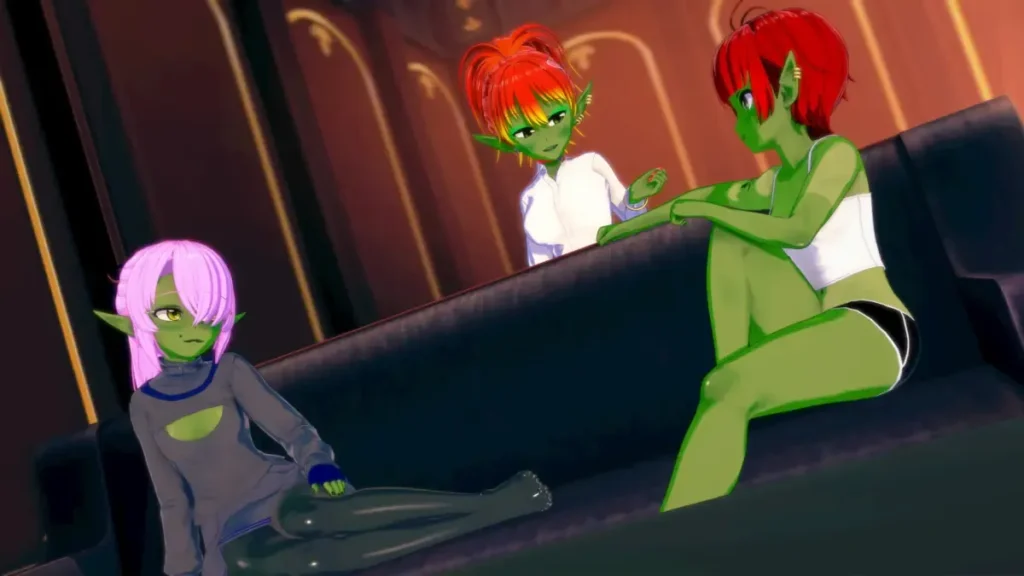
Tales of Unity review
Dive into the captivating story and steamy adventures of this standout title
Imagine stumbling upon a game that blends gripping storytelling with tantalizing adult encounters—Tales of Unity delivers just that. As one of the most praised titles in the adult gaming scene, it captivates with deep characters, sharp comedy, and a narrative that rivals mainstream hits. I first discovered Tales of Unity after playing similar adventures, expecting familiar mechanics but finding a masterpiece instead. This guide breaks down everything you need to know about Tales of Unity, from its immersive plot to unforgettable moments, helping you dive in fully prepared. Whether you’re a fan of story-driven adult games or new to the genre, Tales of Unity will hook you from the start.
What Makes Tales of Unity a Storytelling Masterpiece?
Let’s be honest—when you first hear “adult game,” a rich, emotionally resonant narrative isn’t usually the first thing that comes to mind. I know it wasn’t for me. I’d bounced around titles like Hero’s Harem Guild, expecting a bit of exploration with a light, forgettable story draped over it. You know the drill. But then I downloaded Tales of Unity, bracing for more of the same, and what I discovered completely rewired my expectations. I wasn’t just clicking through; I was leaning in, utterly captivated by a world and people that felt astonishingly real. I was there for one thing but stayed for an entirely different, far more compelling reason: its masterful storytelling.
This chapter is my deep dive into why the Tales of Unity story isn’t just good for its genre—it’s a flat-out masterpiece that stands tall in narrative gaming as a whole. We’ll unpack what makes its plot tick, why its characters haunt you long after you close the game, and how it manages to make you laugh through the tears. If you’ve ever wondered why Tales of Unity excels in storytelling, you’re in the right place. Let’s get into it. 🎭
Unpacking the Core Plot of Tales of Unity
Trying to condense the Tales of Unity plot summary into a few sentences feels like trying to describe a symphony by humming a single note. It’s a richly woven epic that begins with a deceptively simple premise: you, an ordinary individual, are thrust into a fractured world on the brink of collapse, where ancient magical factions are locked in a cold war. Your role isn’t to be a chosen one from prophecy, but rather an unexpected catalyst—a “Unity”—whose mere presence begins to alter the delicate balance of power.
What follows is a thrilling journey of diplomacy, discovery, and danger. The Tales of Unity story brilliantly layers political intrigue with deep, mystical lore. You’ll navigate tense alliances between the stern Arcane Scholars and the nature-bound Sylvian Keepers, all while uncovering a forgotten history that holds the key to everything. The plot is paced like a premium thriller, with twists that feel earned, not shocking for shock’s sake. Just when you think you understand the conflict, the game reveals another layer, making the world feel lived-in and vast.
The best Tales of Unity narrative moments come from your choices. This isn’t an illusion of agency; your decisions on how to mediate disputes, where to invest your trust, and which secrets to pursue genuinely branch the story. A side conversation in Chapter 3 can open up a whole story arc in Chapter 7, rewarding careful attention and making your playthrough uniquely yours. The plot doesn’t just happen to you; you feel like you’re actively writing it alongside the game.
To truly appreciate how it stands out, let’s look at how its storytelling pillars compare to similar titles.
| Aspect | Tales of Unity | Game A (e.g., Hero’s Harem Guild) | Game B (e.g., Champion of Realms) |
|---|---|---|---|
| Plot Depth & Lore | Extensive, layered world-building with political and mystical layers. History feels integral to the current conflict. | Functional world-building that serves primarily as a backdrop for character interactions. | High-concept fantasy setting, but lore is often delivered through large exposition dumps. |
| Character-Driven Narrative | Plot progression is deeply tied to character motivations, growth, and relationships. | Plot often pauses for character-centric episodes, which can feel segmented from the main story. | Characters frequently serve the needs of the plot, with motivations sometimes shifting for convenience. |
| Balance of Tone (Comedy/Drama) | Seamlessly integrated. Humor arises from character personality and situational irony, enhancing dramatic weight. | Comedy is often broad and segmental, functioning as dedicated “funny moments” between serious plot points. | Tone can be inconsistent, with dramatic moments occasionally undercut by jarring or misplaced humor. |
| Player Agency & Impact | Choices feel meaningful, altering relationships, unlocking unique story paths, and changing world states. | Choices often lead to similar outcomes with minor dialogue variations, focused on character affection. | Agency is often binary (good/evil path) with clear, predetermined consequences. |
Practical Tip: On your first playthrough, don’t rush. Read the in-game lore entries and codex. The environmental storytelling—from the architecture of the different faction halls to the worn-out journals you find—adds incredible depth to the main Tales of Unity plot summary and makes the world feel truly alive.
Why the Characters in Tales of Unity Feel So Real?
This is where the magic truly happens. The Tales of Unity characters are the beating heart of the experience, and they elevate the game from a great story to an unforgettable one. They aren’t checkboxes on a trope list (the tsundere, the shy one, the leader); they are complex individuals with pasts, flaws, dreams, and internal conflicts that have nothing to do with you.
Each character has a profound backstory that isn’t just told to you in one monologue. It’s revealed in fragments—a defensive comment here, a nightmare there, a hesitant confession much later. Their motivations are relatable because they’re rooted in universal fears: fear of failure, of losing one’s identity, of being controlled by one’s history. You watch them grow, sometimes in directions you don’t expect, and it’s this growth that makes them memorable.
Take Kaelen, the weary captain of the Arcane Scholars’ guard. My initial read was “typical stern soldier.” But as the story unfolds, you learn his rigidity stems from a past failure where his flexibility led to disaster. His arc isn’t about learning to be “fun,” but about learning to trust his own judgment again. Helping him navigate this, not by forcing him to change but by supporting his own process, created a connection far deeper than any simple affection meter could. I cared about Kaelen’s peace, not just his romance path. That’s the power of the Tales of Unity characters.
What are the common threads that make them all so compelling?
- Psychological Depth: They have layered personalities with contradictions, making them feel human rather than designed.
- Autonomous Motivations: Their goals exist independently of the player. Your role is to intersect with their journey, not become its sole purpose.
- Believable Flaws: Their shortcomings are logical extensions of their backstory, not just quirks for comedic effect.
- Meaningful Growth: Change is slow, often messy, and directly tied to the events of the plot.
- Interactive Chemistry: Relationships between the characters themselves (not just with you) are dynamic and evolve, making the group feel like a real found family.
The game’s dialogue system is a key tool here. You often have options to engage with a character on their interests, challenge their beliefs, or offer support. Choosing to ask Kaelen about his old unit’s insignia, for example, might unlock a vulnerable moment hours later that you would have otherwise missed. This design makes every interaction feel like a step in a real, unfolding relationship.
How Does Tales of Unity Balance Comedy and Drama?
Ah, the Tales of Unity comedy elements. This is the secret sauce, the ingredient that so many stories get wrong. In lesser narratives, humor is a relief valve—a slapstick scene or a meta-joke inserted after a heavy moment to “lighten the mood.” In Tales of Unity, the comedy is baked into the DNA of its characters and situations. It doesn’t break the tension; it lives within it, making the dramatic moments hit harder and the world feel more authentic.
The humor is primarily character-driven. It comes from the witty, sarcastic banter of Elara, a scholar whose frustration with bureaucratic nonsense is a constant source of sharp, hilarious commentary. It comes from the situational irony of a mighty warrior being utterly flummoxed by a simple domestic task. The comedy feels earned because you understand these people, so you understand why something is funny to them.
Let me share a favorite example. During a very tense, lore-heavy mission in a haunted archive, the atmosphere is thick with dread. You’re deciphering ancient texts about a world-ending ritual. Then, your brawn-over-brains companion, trying to be helpful, meticulously dusts off a bookshelf and proudly presents you with… a completely irrelevant cookbook titled “101 Ways to Prepare Spectral Eel.” The moment isn’t a cutaway gag. It’s perfectly in character, it deflates the pomposity of the scene just enough to let you breathe, and it makes the return to the ominous ritual feel even more oppressive. The best Tales of Unity narrative beats understand this rhythm.
This balance is why the emotional climaxes land with such force. The game isn’t afraid to sit in moments of sorrow, loss, or heartfelt connection because it has built a foundation of genuine warmth and humor. You laugh with these characters, so you inevitably cry for them. The Tales of Unity comedy elements aren’t decorative; they are foundational to the game’s emotional resonance.
Practical Tip: To fully appreciate this balance, on a replay, pay attention to the dialogue options that aren’t obviously “flirty” or “aggressive.” Often, the neutral or supportive choices that align with a character’s sense of humor yield the most rewarding and funny interactions, deepening your bond in a natural way.
In the end, why Tales of Unity excels in storytelling is because it respects its audience and its own world. It doesn’t use its adult elements as a crutch in place of plot; it integrates them as one part of a much larger, more compelling human (and sometimes not-so-human) experience. It took the potential I glimpsed in other games and realized it fully, with sharper writing, profound character arcs, and a tone that feels authentically alive.
My advice? Dive into the Tales of Unity story with the same attention you’d give a acclaimed novel or TV series. Let yourself get invested in the Tales of Unity characters. You might start playing for one reason, but you’ll keep playing—and likely replay—for the rich, hilarious, and heartbreaking tapestry of its narrative. It’s a journey that truly stays with you. ✨
Tales of Unity isn’t just another adult game—it’s a testament to how intimate adventures can weave profound stories, memorable characters, and laugh-out-loud moments into one unforgettable experience. From my own playthrough, it left me replaying scenes for both the narrative highs and steamy payoffs, proving its lasting appeal. If you’re craving a title that entertains on every level, grab Tales of Unity today, explore its world, and see why it’s hailed as a masterpiece. Share your favorite moments in the comments—what hooked you first?