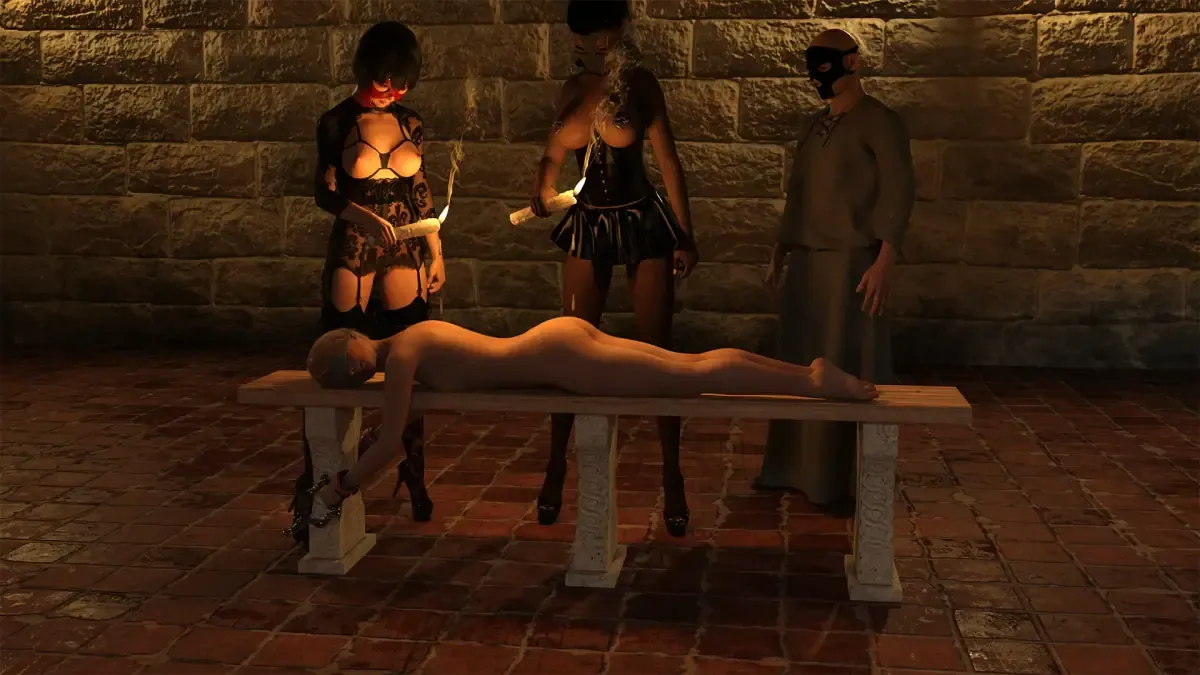
The Restaurant
Play The Restaurant
The Restaurant Screenshots

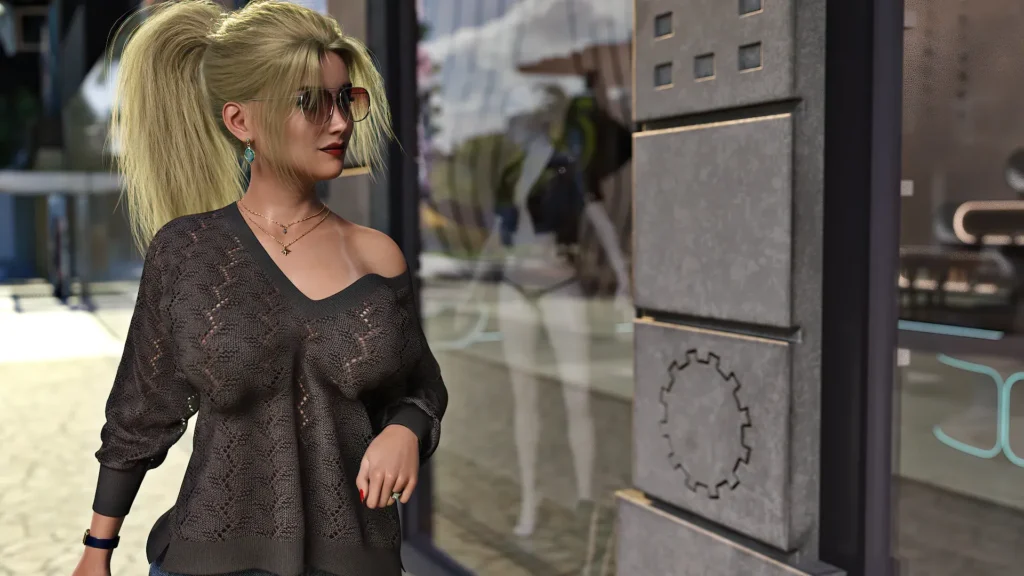








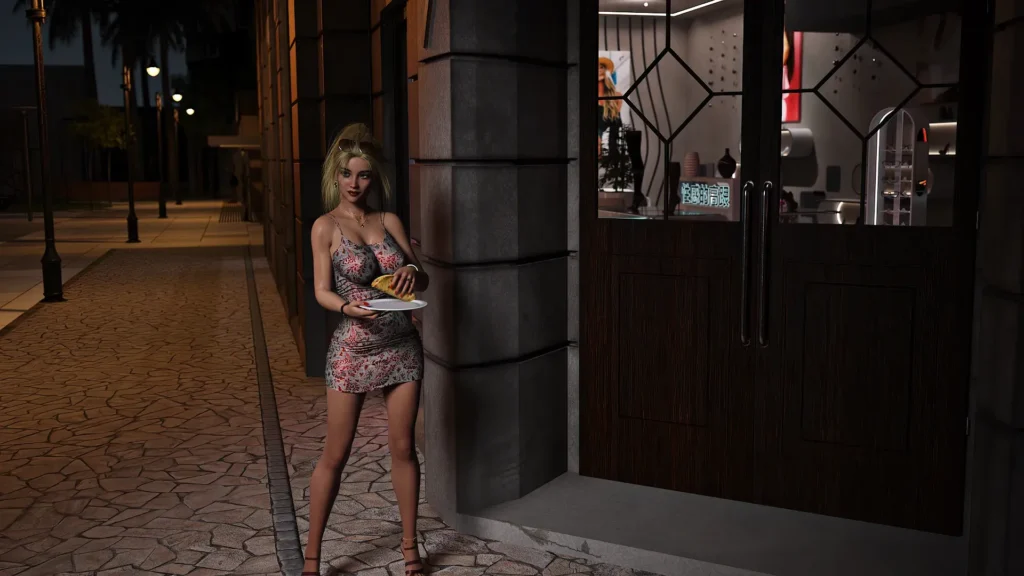
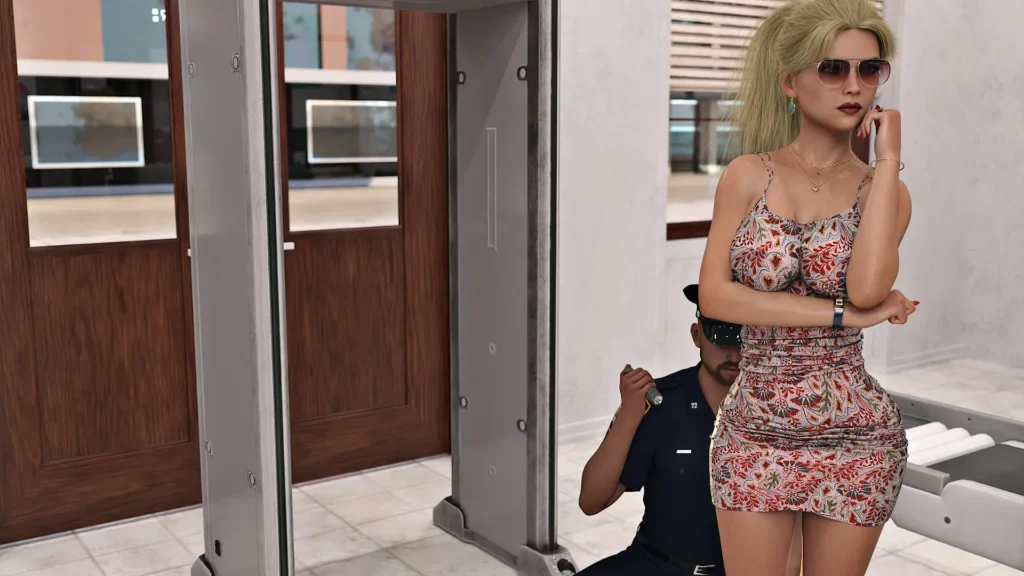
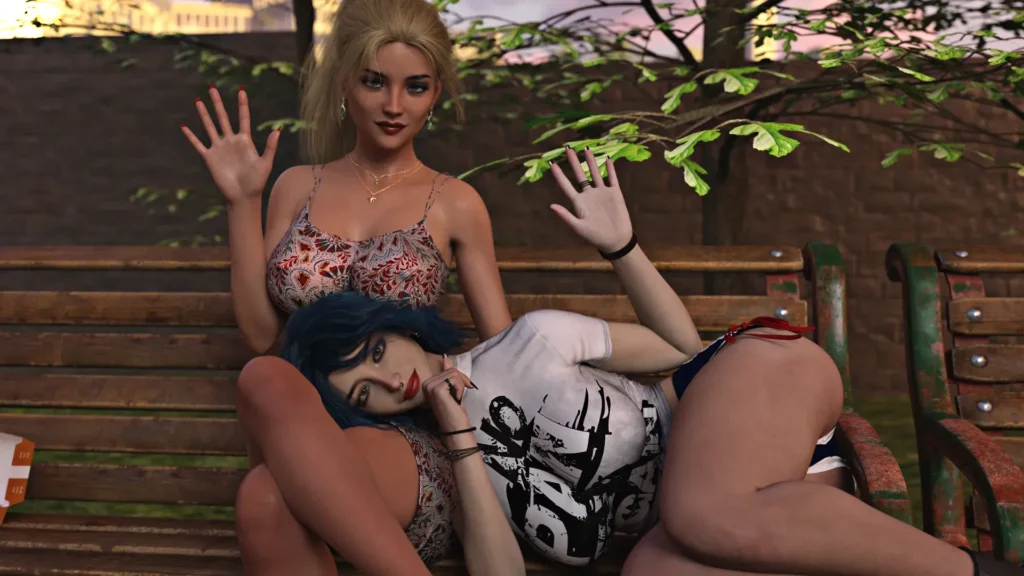



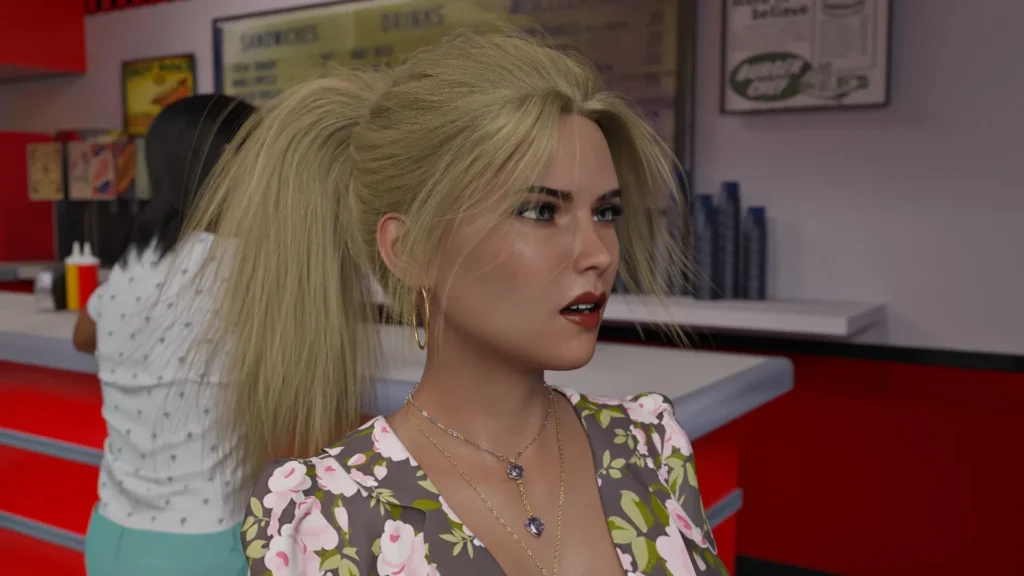
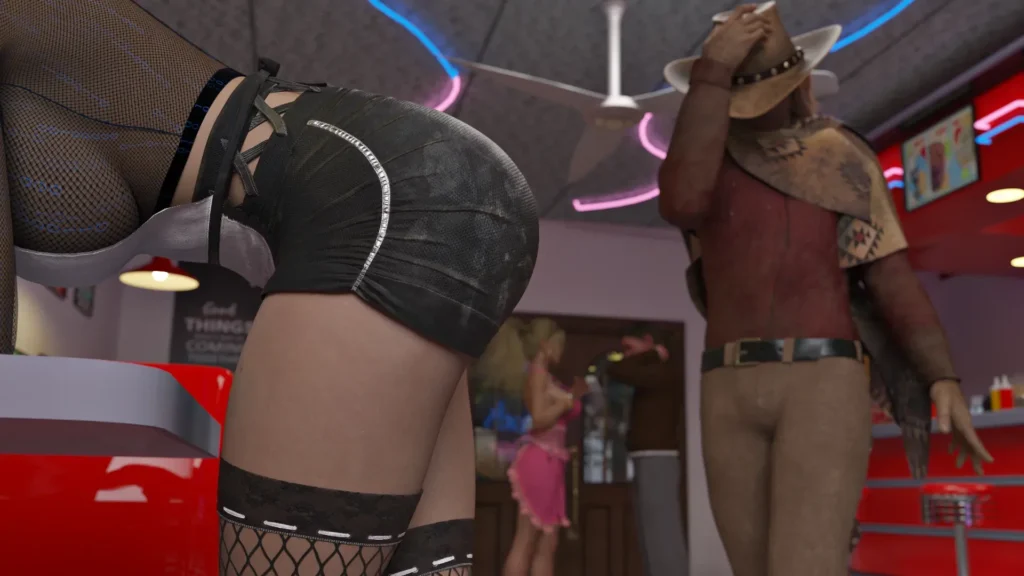



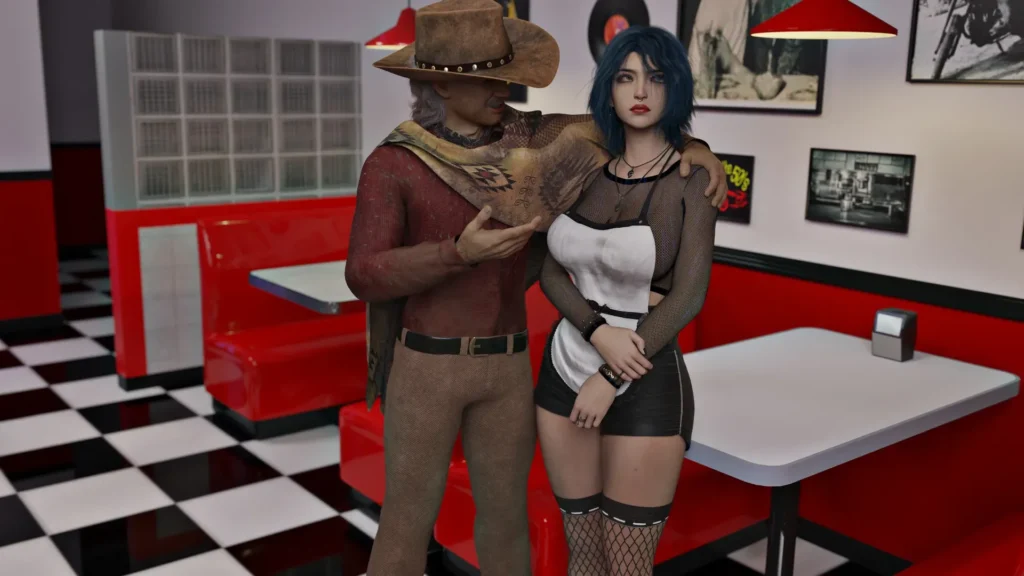



The Restaurant review
Explore gameplay, strategy, and adult-focused design in The Restaurant
The Restaurant is an adult-oriented game that mixes a narrative about running a hospitality venue with explicit, character-driven encounters. Many players discover it through word of mouth and then go searching for a clear explanation of what the experience is actually like. In this article, I’ll walk you through how The Restaurant works, what kind of content and choices you can expect, and the strengths and weaknesses I noticed from my own playthrough. If you’re wondering whether this game is worth your time, or simply want some guidance before diving in, you’re in the right place.
What Is The Restaurant and How Does It Play?
So, you’ve heard whispers about The Restaurant game and you’re wondering what all the fuss is about? 🤔 Let’s pull up a chair. At its heart, what is The Restaurant? It’s not a hyper-realistic business sim. Instead, picture this: you’re at the center of a bustling, intimate venue where every conversation could lead somewhere deeper. This adult visual novel game cleverly disguises itself within a framework of daily hospitality tasks. Your primary goal isn’t just to turn a profit; it’s to connect with a cast of memorable characters, whose stories and relationships unfold based on your choices.
The atmosphere is a mix of casual daily grind and simmering personal drama. You’ll recognize the familiar rhythms of opening up, checking supplies, and greeting guests, but layered on top is a rich narrative where flirting with a coworker or sharing a private moment with a regular patron is just as important as the night’s earnings. The tone is mature, focused on character-driven storytelling where building rapport gradually unlocks more personal—and explicitly intimate—scenes. If you’re looking for a game where story, personality, and relationship-building take center stage over complex spreadsheets, you’re in the right place. 🍸
Core premise and atmosphere of The Restaurant
Imagine walking into a venue that feels alive. The clink of glasses, the low hum of conversation, and a roster of staff and guests each with their own desires, secrets, and stories. The Restaurant game sets you in this world, whether you’re the new manager, the owner, or a key employee stepping into the drama. The core premise is deceptively simple: run the day-to-day operations while navigating the complex web of relationships around you.
This isn’t just about serving the perfect drink. It’s about who you serve it to, and what you say while you do. The game masterfully blends light management elements—like assigning tasks or managing a simple schedule—with the heart of a visual novel. Your dialogue choices carry real weight, steering friendships, rivalries, and romances. The “management” part of the game primarily exists to structure your time and provide context for interactions, not to bog you down with minutiae. Think of it as the stage where the character drama plays out.
The overall atmosphere is one of possibility and slow-burn revelation. The game understands the appeal of the everyday becoming extraordinary. A routine stock check in the cellar can become a pivotal, private conversation. A last-minute seating arrangement for a VIP can lead to a flirtatious exchange that changes your storyline. The adult visual novel game aspects are earned through engagement with these characters, making those moments feel like a natural culmination of your attention and choices, rather than random rewards.
How the main gameplay loop in The Restaurant works
Alright, let’s get into the nuts and bolts of The Restaurant gameplay. How does a typical day play out, and how does The Restaurant work from a mechanical standpoint? Strap in; it’s a satisfying cycle of choice and consequence.
Your in-game day usually starts with you arriving at the venue. You’re presented with an overview—maybe a list of tasks to consider, a schedule of who’s working, or notes on special guests. The interface typically lets you move between key locations: the main dining area, the bar, the kitchen, private rooms, and maybe an office or staff area. This movement is often point-and-click, keeping the focus on interaction, not navigation.
As you move through the venue, you’ll encounter characters. This is where the game shines. You’ll initiate conversations, presented with multiple dialogue options. These choices are the engine of the game. They can:
* Increase your relationship points with a specific character.
* Raise or lower character-specific stats (like their trust, affection, or excitement).
* Unlock special “memory” scenes or backstory fragments.
* Directly lead to an intimate scene if the relationship has reached a required threshold.
Progression is primarily driven by these relationship points and key story milestones. While there might be a reputation meter or a money counter ticking in the background, they often serve as gates or secondary objectives. For example, you might need a certain venue reputation to attract a high-profile guest whose storyline you want to access. Money might be needed to unlock a venue upgrade that provides a new location for scenes.
🎯 Pro Tip: Don’t ignore the light management tasks! They often create the opportunities for the best conversations. Volunteering to help a stressed coworker or personally handling a difficult customer can trigger unique dialogue branches.
So, do your choices really matter? In my experience, yes—but with nuance. Major narrative branches, determining which character’s path you follow most closely, are absolutely decided by your cumulative choices. Smaller dialogue options might change the immediate scene’s flavor or the specific dialogue you see, but often feed into the larger relationship score that unlocks those bigger branches. It creates a satisfying feeling that every interaction is building towards something.
Let’s make this concrete with an example of a single, pivotal in-game day:
You start by opening the bar. The game highlights that Elena, a mysterious regular, has a reservation tonight. You decide to personally oversee the wine list. During the afternoon lull, you chat with Alex, the bartender. You choose dialogue options that show support for his creative cocktail ideas, boosting his “Confidence” stat. Later, when Elena arrives, you seat her yourself. Your dialogue choices with her are cautious but intrigued, reflecting her aloof personality. After her meal, you offer a complimentary drink on the patio. This choice, unlocked because you had a high-enough “Venue Prestige” from earlier good management, leads to a longer, more personal conversation. A specific choice to ask about the book she’s reading triggers a new backstory scene, significantly raising your relationship score with her and unlocking the possibility for a more intimate encounter later in the week.
To give you a quick snapshot, here are the core features of The Restaurant:
- Genre: Hybrid – Adult visual novel / Light Management Sim
- Core Mechanics: Dialogue choice trees, relationship stat building, light daily task/scheduling
- Progression Drivers: Relationship points, story choices, optional reputation/financial goals
- Approximate Playtime for a Single Path: 15-25 hours (with high replayability for different character arcs)
Now, how is all this information presented? Here’s a breakdown of the key systems you’ll engage with:
| System | How It Manifests | Its Primary Purpose |
|---|---|---|
| Dialogue & Choice | Text-based menus with 2-4 options during conversations. | To build relationships, define your character’s personality, and steer the narrative. |
| Relationship Stats | Often hidden meters (e.g., “Elena: Trust +5”) that appear as feedback after choices. | To quantitatively track progress with each character and gate access to deeper scenes. |
| Daily Management | Simple menus for task assignment, inventory checks, or seating arrangements. | To structure time, provide context for interactions, and unlock special opportunities. |
| Scene Gallery | An unlockable menu that stores viewed CGs (special artwork) and story scenes. | To allow replay of favorite moments and track completion. |
My first impressions after starting The Restaurant
Let me be totally honest about my first few hours with The Restaurant game. I went in thinking like a business tycoon. 😅 My initial focus was all about efficiency: optimizing the task roster, balancing the books in the ledger, and trying to max out the daily profit. I was treating it like a pure management sim, clicking through dialogue quickly to get back to “the important stuff.”
I completely missed the point.
The turning point came with a character named Leo, the head chef. I’d been all business with him, just approving supply orders. One day, a storyline triggered where he was frustrated about a food critic. My efficient-self wanted to choose the option that said, “Just focus on the next service.” But on a whim, I chose the more empathetic, “Tell me what’s really bothering you.” What followed was a long, heartfelt conversation about his culinary dreams, far from the kitchen. This unlocked a “Memory” scene of his childhood, and our relationship meter shot up. Later that week, that choice directly led to a profoundly intimate and story-rich scene that was about connection, not just physicality.
That moment was my “aha!” moment for The Restaurant gameplay. The game wasn’t judging me on my profit margin; it was rewarding me for my emotional investment. The light management layer is the canvas, but the relationships are the painting. This is the core of what is The Restaurant truly about.
In terms of learning curve, the game is generally intuitive. Tooltips often explain basic mechanics like what the heart or star icons next to dialogue mean. However, understanding how to trigger the most significant content required a bit of experimentation. The game doesn’t always blatantly signpost the “best” choice—because it depends on what you want. Do you want to pursue the shy waiter’s path or the confident entrepreneur’s? You learn by doing, by saving before big conversations, and seeing where different kinds of responses lead. The interface is clean, and the daily loop becomes second nature quickly, letting you focus on the characters.
Wrapping Up This The Restaurant Game Overview
So, where does this leave us? The Restaurant is a compelling, narrative-driven experience for a specific audience. This The Restaurant review chapter aims to give you the clearest picture possible of what you’re stepping into.
You will likely love The Restaurant game if:
* You enjoy character-driven stories where your choices shape relationships. 🎭
* You like the idea of management games but prefer a strong narrative focus over complex economics.
* You appreciate slow-burn storytelling where intimate moments are earned through engagement.
* You’re a fan of adult visual novel titles that prioritize story and character alongside explicit content.
You might be disappointed by The Restaurant if:
* You’re seeking a deep, challenging business simulation with tough financial decisions.
* You prefer action-oriented gameplay or RPG combat; this is a conversation and stat-management game.
* You want immediate, fast-paced adult content without the buildup of relationship mechanics.
Ultimately, how does The Restaurant work? It works by inviting you to care. It asks you to look past the daily specials and see the people—their hopes, their flaws, their stories. It’s a game about the connections forged in the quiet moments between the dinner rushes. If that sounds intriguing, then your table is ready. 🍽️
The Restaurant leans heavily into interactive storytelling, character chemistry, and explicit encounters wrapped inside a lightly managed hospitality setting. If you go in expecting a complex simulator, you might be underwhelmed, but if you treat it as an adult visual novel with some extra systems layered on top, it can be surprisingly engaging. For me, the most memorable moments came from investing in a few key character routes and seeing how small choices in conversation led to new scenes and twists. If that kind of slow-burn, choice-driven experience appeals to you, The Restaurant is worth at least one full playthrough to decide whether it belongs in your regular adult game library.